
.svg)

Welcome to Zawadi Land Stewardship. We bridge the gap between ecosystem restoration and agriculture. We are committed to nurturing the land, empowering farmers, and fostering a sustainable future for our community and environment.

“What if we behave as if we love the future?” — Ayana Elizabeth Johnson
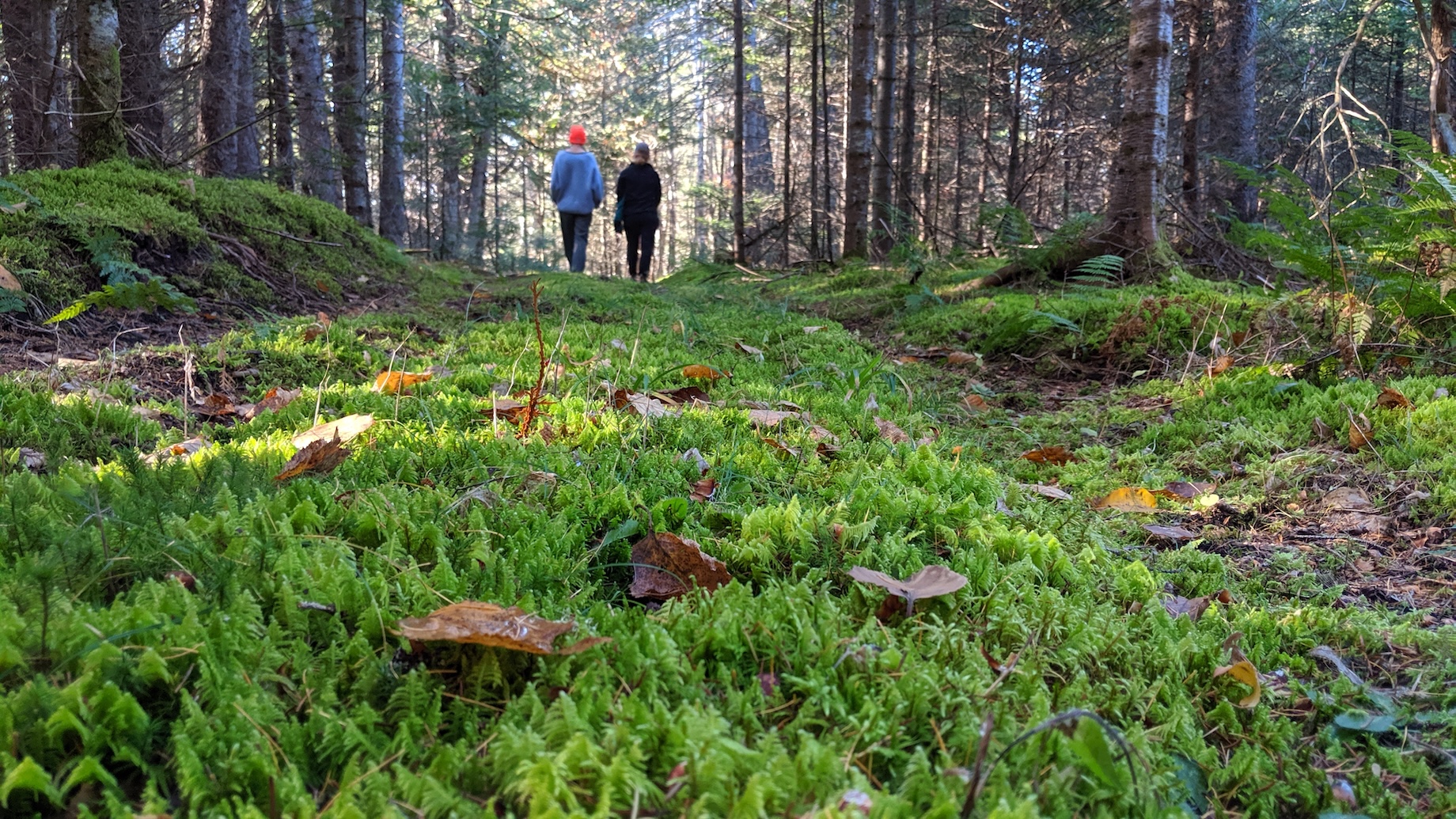
Most client work starts with a comprehensive assessment where we collect soil and water samples for analysis and do a landscape-level assessment. We then translate the results into a problems and opportunities list and propose actionable projects to enhance the function of the ecosystems on the site.
We worked with a school to build an outdoor classroom for nature-based learning. The project includes invasive species removal, native species planting, food garden bed building, water infrastructure installation, and design for learning spaces.
We incorporated the client’s goals of a backyard planted with native species that could also allow traffic from her dog and baby on the way. We worked to build soil, clean up the space, and use phased dense plantings to build a lush, trample-tolerant and shade-tolerant yard design.
We created an accessible, plain-language guide to help our client quickly identify, appreciate, and monitor the existing species on their property. Developing an awareness of the plants, insects, and animals within your area is critical for monitoring and stewardship.
We used a live-staking technique for a client site with a pond with an eroded sloped shoreline. The living plant stakes root and then grow into beautiful shrubs, stabilizing the erosion and increasing bird and animal habitat.
Periwinkle and Garlic Mustard are very prevalent in wooded areas of Southern Ontario. We worked with a client to clear out an overgrowth that had choked out other understory plants, then initiated soil building and planting of more-aggressive growing native groundcovers to increase biodiversity.
We worked on the sandy, highly compacted site of a former horse ring to design and build a sanctuary for a client who wanted gardens accessible to both grandkids and herself, producing enough for local food banks while contributing to biodiversity. We remediated the soil, planted a native pollinator meadow, and built accessible raised beds, a living willow arbor, and a food forest with native nut and fruit trees.
